If you have ever tried to tap in a 16-digit card number, an expiry date, and a three-digit CVV while standing on a wobbly Northern Line train, you know exactly why desktop-era payment methods are falling out of favour. We have moved into a world of short-session entertainment. Whether you are killing ten minutes during a lunch break or unwinding on the commute home, nobody wants to be digging around in their bag for a physical card.
But beyond the convenience of responsive mobile UX, there is the lingering question of safety. Is it actually safer to use a digital wallet—like Apple Pay, Google Pay, or PayPal—compared to simply linking your debit card directly to your casino account? After eight years of covering consumer tech, I can tell you that the difference isn't just about speed; it is about how much of your data you are effectively handing over to the app provider.
The Shift from Desktop to Smartphone-First Accessibility
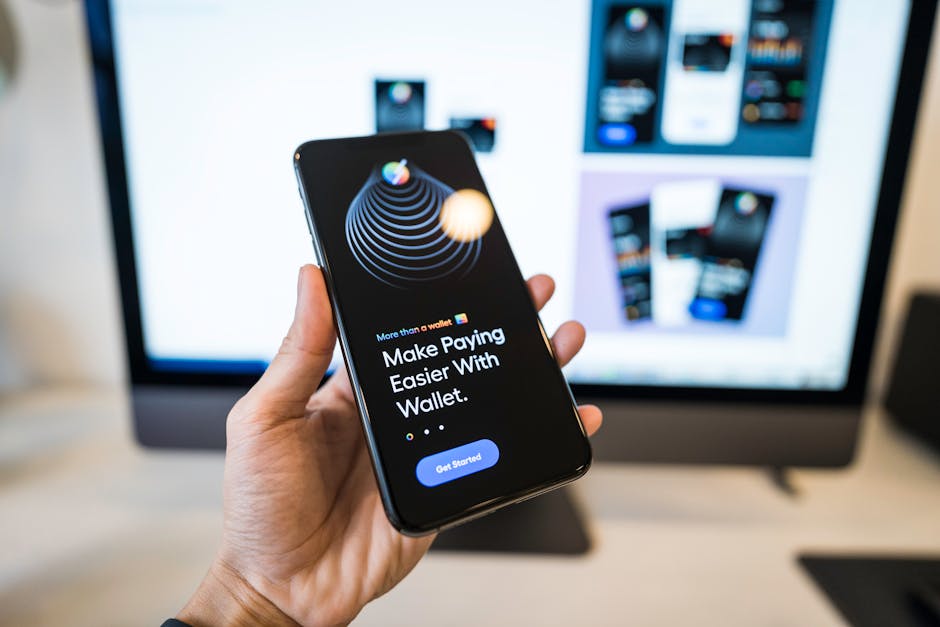
Let’s call out the legacy context: a decade ago, playing a game meant sitting at a desktop computer. You had your card details saved in your browser, or the card was sitting right on your desk. Today, that feels like using a fax machine. The industry has shifted to a smartphone-first accessibility model, which prioritises getting you into the action with as little friction as possible.
However, many apps still rely on clunky onboarding processes that feel like they were designed for a monitor. If an app forces you to manually type out your bank details, it is a red flag. It’s not just annoying; it’s a security bottleneck. Every time you enter that data, you are typically exposing it to keyloggers or simply increasing the chance of a typo leading to a https://www.talentedladiesclub.com/articles/mobile-casino-gaming-is-becoming-more-popular-among-busy-adults/ failed transaction. A modern, well-built app should offer digital wallet compatibility as a standard feature, not an afterthought.
Payment Method Comparison: Why Digital Wallets Win
To understand why a digital wallet is generally safer, we have to strip away the marketing jargon and look at the mechanism. When you link a debit card, you are effectively giving the casino app a key to your bank account. If the app’s database is ever compromised, that card information becomes part of the leak.
Digital wallets work on a concept called "tokenisation." When you use Apple Pay or Google Pay, the app never actually sees your real card number. Instead, the payment processor sends a one-time "token" to the casino. Even if someone were to intercept that transaction, they aren’t getting your bank details—they are getting a meaningless string of characters that cannot be used anywhere else.
The Comparison Breakdown
Feature Debit Card (Direct) Digital Wallet (Apple/Google/PayPal) Data Exposure High (Card numbers stored) Low (Tokenised transmission) Transaction Speed Slow (Manual entry/verification) Instant (Biometric auth) Onboarding Ease Tedious Seamless Physical Security Risk of card theft Biometric-locked (FaceID/Fingerprint)The "Short-Session" Requirement
We use casino apps for short-session entertainment. We aren't planning to spend three hours tethered to a chair. Because of this, user experience (UX) is paramount. If a platform has slow load times or a clunky, multi-step deposit flow, users lose interest immediately. This is where digital wallets shine.
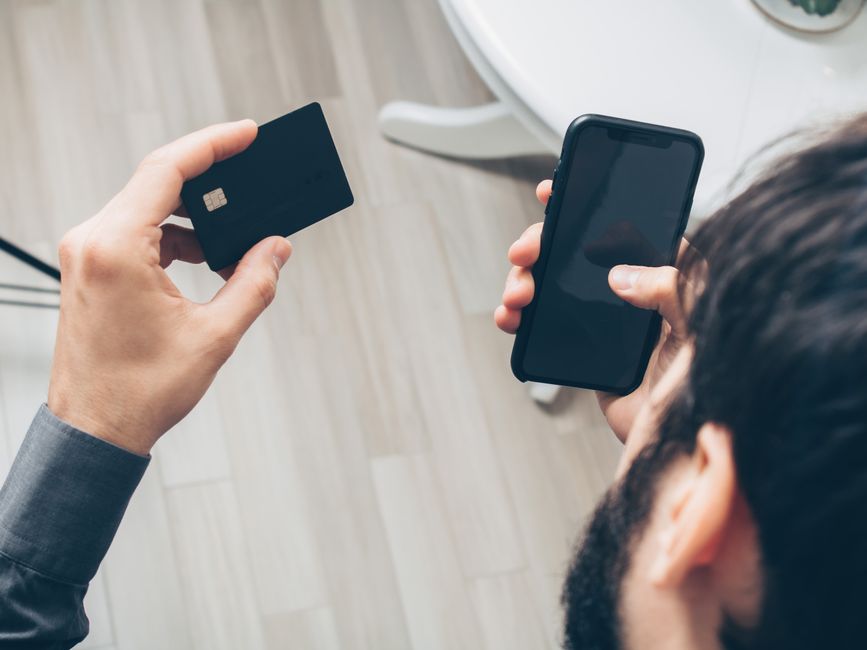
A good mobile interface for gaming should feel like a natural extension of your phone’s OS. If I am on a lunch break and want to play a few hands, I want to authenticate with a face scan or a fingerprint, not a bank-issued SMS code that takes three minutes to arrive. Digital wallets integrate directly with your phone's biometric hardware. It’s fast, it’s responsive, and it keeps your brain focused on the game rather than the bureaucracy of the transaction.
Live Dealer and Real-Time Interaction
When you move into the world of live dealer games, the pace of the game is much faster. You are playing against real-time video feeds and other players. Exactly.. In this environment, secure mobile transactions are essential because you don't have time to troubleshoot a failed card payment while a wheel is spinning or cards are being dealt.
Digital wallets allow for "instant top-ups" that keep you in the flow of the game. If you are using a debit card, the "friction of payment" can actually ruin the experience. If your card issuer flags a transaction because it’s a gaming site—which happens more often than you'd think—you’re stuck mid-game dealing with a bank support line. This reminds me of something that happened made a mistake that cost them thousands.. Digital wallets, which are already vetted by your phone’s security suite, bypass a lot of that friction.
Common Pitfalls in Casino App Onboarding
As a writer, I’ve seen some abysmal onboarding processes. Here is what you should watch out for:
Vague Claims of "Bank-Level Security": This is a corporate buzzword. Everything says this. It doesn't mean anything if they don't explain how they handle your data. Look for mentions of tokenisation or PCI-DSS compliance instead. Slow, Non-Responsive Forms: If the text boxes lag when you type, it’s a sign the app is poorly built. An app that can't handle basic input is likely not handling your financial data with the care it deserves. Forced Account Creation before Deposit: While regulation requires KYC (Know Your Customer) checks, a good app will allow you to explore the lobby and see your payment options *before* you are forced to upload your passport photo.The Verdict: Is it Safer?
In short: Yes, digital wallets are safer. By using them, you add an extra layer of abstraction between the casino app and your primary bank account. You also benefit from the biometrics built into your phone, which are significantly harder to spoof than a card number and a CVV scribbled on the back of a plastic card.
However, technology is only as good as the app that uses it. If an app has a clunky, slow, or "broken" interface, the most secure payment method in the world won't make it a good product. Always prioritise apps that offer a seamless, smartphone-first experience. If you find yourself struggling to navigate a deposit menu while you're trying to enjoy a ten-minute break, it’s time to find an app that actually values your time—and your security.
Ultimately, the best payment method is one that disappears into the background, letting you enjoy the game without needing to worry about the security of your account details every time you tap 'deposit'.